

Iron Infusion vs Blood Transfusion
🩸 Navigating Severe Anemia: Understanding Your Treatment
Iron infusions and blood transfusions are two distinct medical treatments often utilized to address critical issues related to blood volume and iron levels in the body. While they might sound similar to a patient in distress, their purposes, clinical procedures, and outcomes are entirely distinct. Many patients actively search for an iron infusion vs blood transfusion to understand which procedure will best cure their severe fatigue. This comprehensive clinical guide will explain the key differences between the two, including exactly what to expect during each treatment, potential side effects, and when each specific therapy might be recommended. As always, consult with your doctor before starting any new therapy to ensure it is the absolute right option for your unique biology.
Clarifying the Terminology: Infusion Meaning
Before diving into the procedures, it is helpful to understand the basic clinical terms. The general infusion meaning refers to the slow, intravenous (IV) delivery of specialized fluids, medications, or isolated minerals (like liquid iron) directly into a patient’s bloodstream.
Conversely, a transfusion involves the transfer of actual blood products from a human donor. Often, patients confused by medical jargon search for information on a blood infusion vs transfusion. Clinically speaking, “blood infusion” is an incorrect term; blood is always transfused, whereas minerals and medications are infused.
What Is an Iron Infusion?
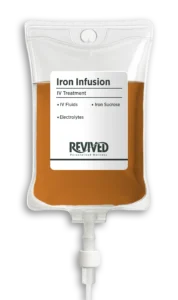
An iron infusion is a targeted procedure where concentrated elemental iron is delivered directly into the bloodstream through an IV line. This treatment is often recommended for individuals suffering from iron deficiency anemia who cannot take or absorb oral iron supplements effectively. Iron is absolutely essential for producing hemoglobin, a protein in red blood cells that carries oxygen to tissues. Low iron levels lead to profound fatigue, systemic weakness, and shortness of breath. According to the Mayo Clinic, iron infusions are typically given when a patient’s iron levels are dangerously low, or when conditions like chronic kidney disease or severe malabsorption disorders make oral iron entirely ineffective.
What Is a Blood Transfusion?
A blood transfusion is the complex process of transferring whole blood or specific components of blood (such as red blood cells, platelets, or plasma) from a screened donor directly to a patient. This urgent procedure is commonly performed to replenish massive blood volume lost due to major surgery, traumatic injury, or severe illness. Blood transfusions help maintain sufficient red blood cell levels in individuals with critical conditions. According to the American Red Cross, blood transfusions provide an immediate, life-saving increase in red blood cells, restoring the body’s ability to carry oxygen instantly. They are particularly necessary when blood loss is rapid or when the bone marrow’s ability to produce new blood cells is severely impaired.
The Core Difference Between Infusion and Transfusion
When evaluating an infusion vs transfusion, while both involve intravenous administration, their clinical purposes and uses are distinct. Here is a breakdown of the difference between transfusion and infusion:
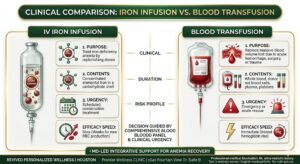
- Purpose: An iron infusion is used specifically to replenish depleted iron stores and treat iron deficiency anemia at its root. In stark contrast, a blood transfusion is administered to immediately replace lost or damaged blood volume.
- What’s Being Administered: During an iron infusion, only raw elemental iron is delivered to the body, which simply helps your own body produce more hemoglobin over time. In a blood transfusion, donor whole blood or specific components like red blood cells are transfused into the patient.
- When It’s Needed: Looking at an iron infusion vs transfusion timeline, an iron infusion is typically needed when the body lacks sufficient iron due to malnutrition, heavy menses, or chronic illness. On the other hand, a blood transfusion is an urgent necessity when blood is actively lost due to surgery, trauma, or a sudden, critical drop in red blood cells.
- Risks and Side Effects: Iron infusions can have side effects such as mild nausea, temporary headaches, or muscle cramps. According to the National Institutes of Health (NIH), these side effects are typically mild. In contrast, blood transfusions carry higher risks such as severe immune and allergic reactions, fever, and, in exceedingly rare cases, infections from the donor blood. The NHS reports that modern screening methods have significantly reduced these risks, but serious transfusion reactions can still occur.

What to Expect During the Procedures
During an Iron Infusion
Before starting an iron infusion, your healthcare provider will conduct comprehensive blood tests to evaluate your iron panel and determine the exact correct dosage. The procedure begins with inserting a small needle into a vein, usually in your arm, to safely administer the iron solution through an intravenous (IV) line. The process is typically straightforward. Throughout the infusion, skilled medical staff will monitor your vital signs to check for any adverse reactions. After the procedure, the IV line is removed, and you may be asked to stay for a short observation period to ensure there are no delayed reactions.
During a Blood Transfusion
Before a blood transfusion, your healthcare provider will perform specific blood typing tests to identify the exact blood component and match you need. The transfusion starts with inserting a needle into a vein, through which the donor blood is slowly introduced into your bloodstream. During the transfusion, your vital signs will be monitored extremely closely to detect any potential immune reactions, such as fever or chills. If any signs of a transfusion reaction occur, the healthcare team will take immediate emergency action. Once complete, you will be observed to ensure your safety and comfort.

Revived Personalized Wellness: Supporting Your Health in Houston
Understanding the precise difference between infusion and transfusion can help you advocate for your own health. When debating a blood transfusion vs iron infusion for chronic anemia, conservative, targeted therapies are often the safest starting point. Finding a trusted Iron infusion Houston clinic ensures you receive top-tier outpatient care.
At Revived Clinic in Houston, we offer premium iron infusion therapy to address iron deficiency and promote your overall well-being. Our skilled medical professionals carefully monitor vital signs and are dedicated to providing personalized, highly comfortable care throughout each step of your treatment. Whether you are dealing with debilitating iron deficiency symptoms or looking for a dependable treatment option, Revived Wellness is ready to assist. Reach out to us today to discover how our targeted therapies can safely enhance your health.
Frequently Asked Questions (FAQ)
1. How do I know if I need an iron infusion or transfusion?
This is a clinical decision made by your doctor. If you are actively hemorrhaging or your hemoglobin is critically low, a transfusion is required. If your vitals are stable but you are deeply fatigued from chronic low ferritin, an iron infusion is usually the much safer, preferred route.
2. Can an iron infusion completely replace the need for blood?
Yes, in many non-emergency scenarios. By fixing the root cause of the deficiency with an IV infusion, your bone marrow can generate enough of its own red blood cells, completely removing the future need for donor blood.